


Botulinum Toxin Treatments (Botox)
Botulinum toxin treatments can soften expression lines on the forehead, between the eyebrows, and around the eyes by temporarily relaxing selected facial muscles. Learn how the procedure works, how long results may last, and what to consider before choosing treatment.
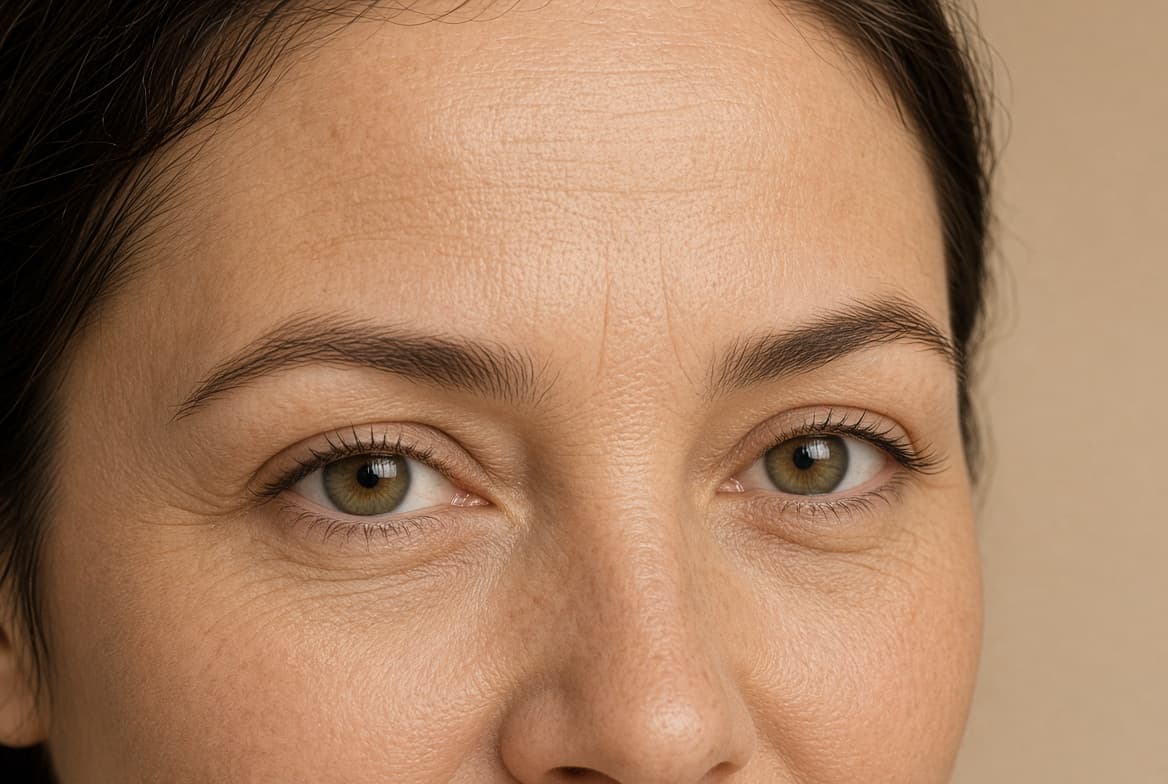
Botulinum Toxin Treatments in Tirana: Wrinkle Reduction and Facial Rejuvenation
Botulinum toxin treatments are widely used in aesthetic medicine to soften certain expression lines and create a refreshed appearance without surgery. By temporarily reducing the activity of selected facial muscles, these treatments can help improve the appearance of dynamic wrinkles, particularly around the forehead, between the eyebrows, and at the outer corners of the eyes.
At DermaCheck in Tirana, treatment planning should be based on an individual assessment of facial movement, skin condition, medical history, and aesthetic goals. The aim is to achieve a balanced, natural-looking result while preserving appropriate facial expression.
What Is Botulinum Toxin Treatment?
Botulinum toxin is a purified medicinal substance that temporarily blocks the release of acetylcholine, a chemical messenger involved in muscle contraction. When administered in carefully selected muscles by a qualified medical professional, it reduces muscle activity in the treated area.
In aesthetic medicine, this effect can soften wrinkles caused by repeated facial movements. The treatment is non-surgical and typically involves a series of small injections.
Botulinum toxin is also used for certain medical conditions, such as excessive sweating and some muscle-related disorders. The appropriate formulation, dose, and injection technique depend on the specific indication.
What Can Botulinum Toxin Treatments Improve?
1. Forehead Lines
Repeatedly raising the eyebrows can lead to horizontal lines across the forehead. Botulinum toxin may help soften these lines by reducing the activity of the muscles responsible for lifting the eyebrows.
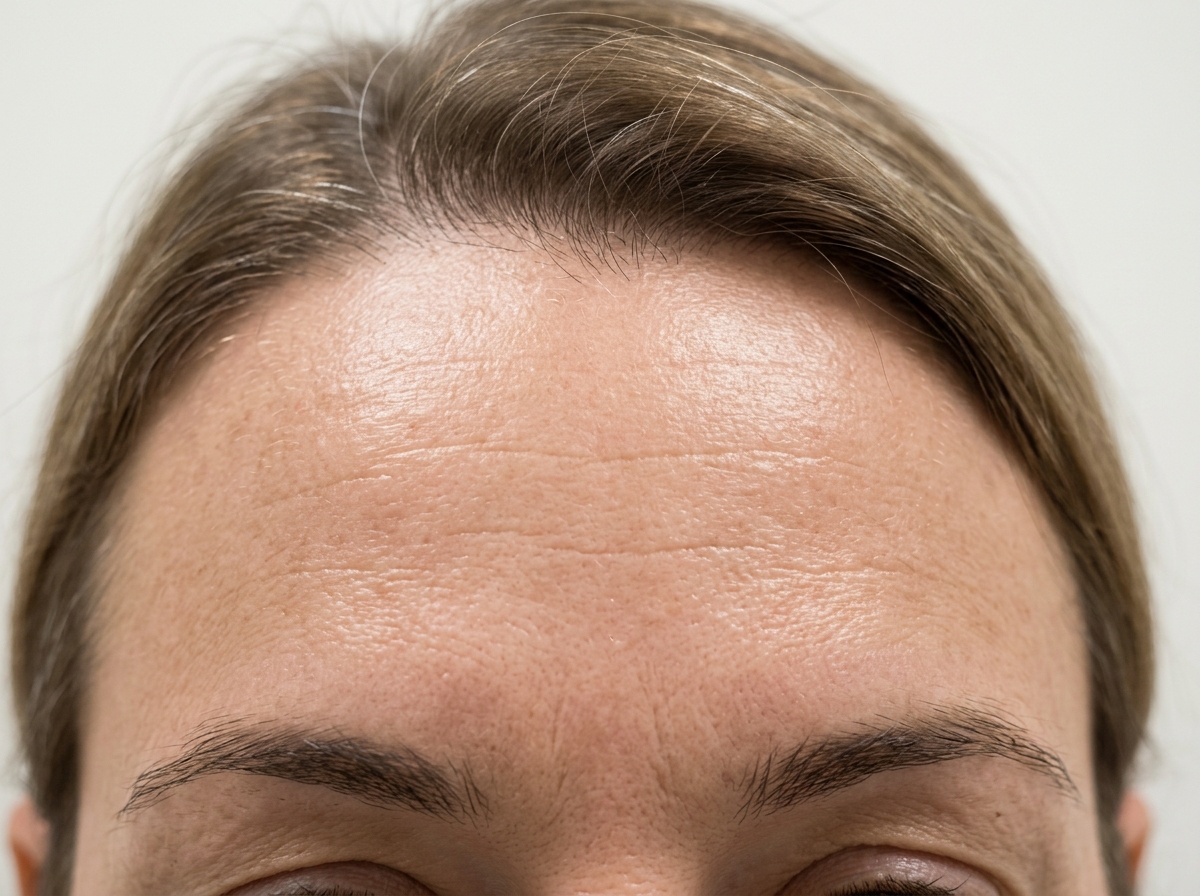
The treatment requires careful planning because the forehead muscles also help maintain eyebrow position. Excessive weakening can cause heaviness around the eyebrows or affect the natural expression of the face.
The goal is to reduce prominent lines while maintaining a balanced appearance.
2. Frown Lines Between the Eyebrows
Vertical lines between the eyebrows can develop through repeated frowning or concentrating. These lines are sometimes called glabellar lines.
Targeted injections may relax the muscles responsible for this movement, making the area appear smoother and less tense.
The results depend on the strength of the muscles, the depth of the lines, and individual facial anatomy. Lines that remain visible when the face is at rest may not disappear completely with muscle-relaxing treatment alone.
3. Crow's Feet Around the Eyes
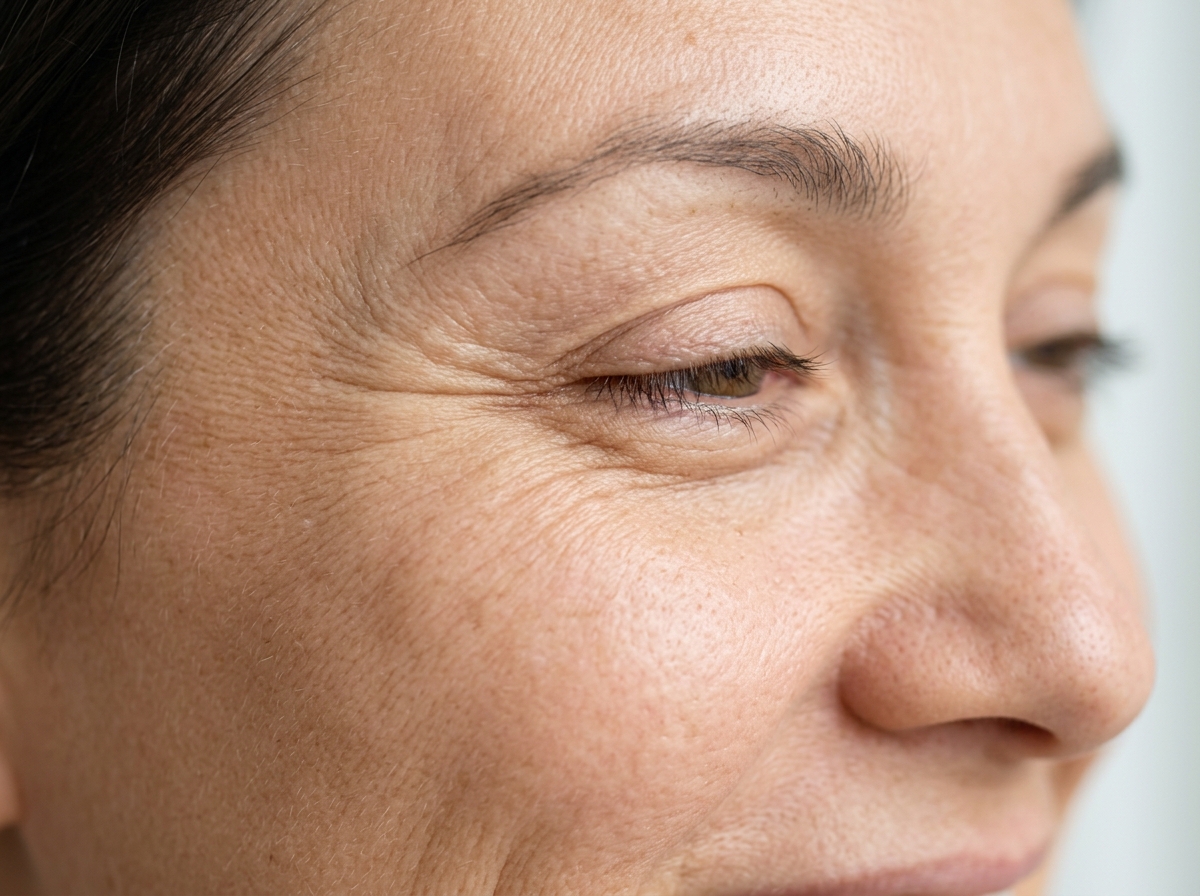
Crow's feet are fine lines that appear at the outer corners of the eyes, particularly when smiling or squinting. Carefully placed injections can reduce the muscle activity that contributes to these lines.
The treatment should be tailored to the individual, since the muscles around the eyes play an important role in smiling and natural facial expression.
Botulinum toxin does not directly improve every type of under-eye concern. Skin texture, pigmentation, volume loss, and deeper folds may require a different approach.
4. Other Selected Aesthetic Concerns
Depending on the patient's anatomy, medical history, and treatment goals, botulinum toxin may also be considered for certain other facial indications. These can include selected cases of a gummy smile, prominent jaw muscles, or downward-pulling muscles around the mouth.
Not every concern is suitable for this treatment, and some uses may be outside the locally approved product indication. A qualified medical professional should explain the expected benefits, limitations, and risks before proceeding.
Botulinum toxin is not a filler. It reduces selected muscle activity rather than adding volume or directly replacing lost facial volume.
How Does the Treatment Work?
Treatment begins with a consultation to discuss your goals, review your medical history, and assess your facial movements. The practitioner identifies the muscles involved and determines whether botulinum toxin is an appropriate option.
The treatment area is cleaned, and small amounts of the prescribed product are injected into selected muscles using a fine needle. The procedure usually takes a short time, depending on the number of areas being treated.
Most people experience mild, brief discomfort during the injections. Anesthetic is not usually necessary, although comfort measures may be available when appropriate.
The effects are not immediate. Initial changes may become noticeable within several days, with the result developing further over approximately one to two weeks. The timing varies according to the product, treatment area, dose, and individual response.
How Long Do the Results Last?
The effects of botulinum toxin are temporary. For many aesthetic treatments, results commonly last around three to four months, although some people notice a shorter or longer duration.
Muscle activity gradually returns as the effect wears off, and expression lines may become more visible again. Maintenance treatments may be considered when appropriate, but the timing should be individualized rather than based on a fixed schedule.
Repeated treatment does not guarantee that wrinkles will disappear permanently. Skin quality, facial anatomy, sun exposure, and the natural ageing process continue to influence the appearance of the face.
Is Botulinum Toxin Treatment Safe?
When an authorized product is administered by an appropriately qualified medical professional using correct techniques, botulinum toxin treatment is generally well tolerated. However, like any medical procedure, it carries potential risks.
Common temporary effects include:
- Mild redness, swelling, or bruising at injection sites.
- Local tenderness or discomfort.
- Headache in some patients.
- Temporary asymmetry or an unwanted change in facial expression.
Less common but important complications can include eyelid or eyebrow drooping. Rarely, the effects of the toxin can extend beyond the injection site and cause more serious symptoms, including difficulty swallowing, speaking, or breathing. These symptoms require immediate medical attention.
Treatment may not be appropriate during pregnancy or breastfeeding, in people with certain neuromuscular conditions, or in the presence of infection at the intended injection site. Some medicines can also affect treatment suitability or the risk of side effects.
Always tell your practitioner about your medical conditions, allergies, previous aesthetic procedures, and all medicines or supplements you use.
What Should You Do After Treatment?
Most people can return to their usual daily activities shortly after the procedure. Your practitioner will provide instructions tailored to the treatment performed.
General recommendations may include:
- Avoid rubbing or massaging the injection sites for the period advised by your practitioner.
- Follow the specific instructions you receive about exercise and other activities immediately after treatment.
- Avoid making treatment decisions based solely on the first few days, since the full effect takes time to develop.
- Attend a follow-up appointment if recommended, particularly if you have concerns about symmetry or the response.
Contact your healthcare provider if you develop unexpected or persistent symptoms. Seek urgent medical attention for difficulty breathing or swallowing, or significant difficulty speaking.
Who Is a Suitable Candidate?
Botulinum toxin treatment may be suitable for adults who want to soften expression lines and understand the temporary nature and limitations of the procedure.
A consultation is particularly important if you have previously received injectable treatments, have asymmetry or drooping around the eyelids, or want to preserve a specific facial expression. The practitioner should assess whether treatment is likely to meet your expectations and explain alternative options where appropriate.
For concerns involving skin texture, pigmentation, acne scars, or volume loss, other treatments may be more suitable or may complement a carefully planned approach. You can explore our dermatology services and aesthetic treatments to learn more about available options.
Discover Personalized Aesthetic Care at DermaCheck
Choosing an injectable treatment involves more than reducing visible lines. A good treatment plan considers facial balance, muscle movement, skin condition, safety, and your individual preferences.
At DermaCheck in Tirana, our team can help you understand the available options and determine whether botulinum toxin treatment is appropriate for your goals.
For patients living locally or travelling from abroad, we also offer thoughtfully designed packages that combine premium dental care with dermatology and aesthetic treatments. Each package includes a personalized assessment so that treatments can be coordinated around your goals and timeline.
Learn more about our services or contact our team to arrange a consultation and discuss a treatment plan tailored to you.