


Fractional CO₂ Laser Treatments
Discover fractional CO₂ laser treatment in Tirana for acne scars, uneven texture, fine lines, and skin resurfacing. Explore benefits, recovery, and suitability at DermaCheck.
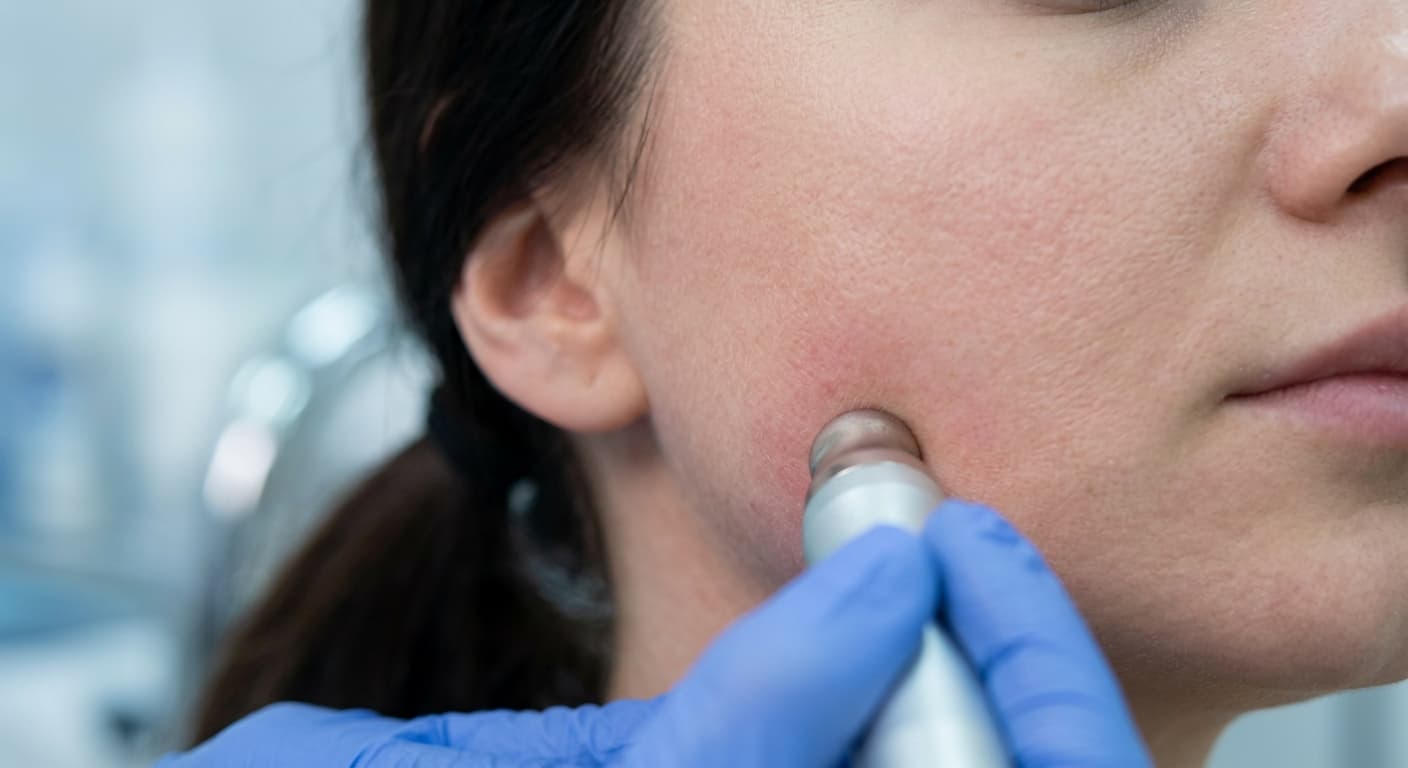
Fractional CO₂ Laser Treatment in Tirana: Skin Resurfacing and Scar Improvement
Fractional CO₂ laser treatment is an advanced skin resurfacing procedure used to improve selected skin concerns, including acne scars, uneven texture, fine lines, and certain types of sun damage. By creating controlled microscopic areas of treatment in the skin, the laser stimulates the natural healing process and supports collagen remodeling over time.
At DermaCheck in Tirana, treatment suitability depends on your skin type, medical history, the condition being treated, and your expectations. A personalized assessment helps determine whether fractional CO₂ laser treatment is appropriate and how to approach it safely.
What Is Fractional CO₂ Laser Treatment?
Fractional CO₂ laser treatment uses a carbon dioxide laser to deliver energy to small, targeted areas of the skin while leaving surrounding tissue untreated. These untreated areas help support the healing process between the treated zones.
The laser creates controlled thermal effects in the skin, encouraging renewal and collagen remodeling. As healing progresses, the skin may become smoother, and some scars, fine lines, and textural irregularities may become less noticeable.
Unlike fully ablative resurfacing, which treats a more continuous area of skin, fractional treatment distributes the laser energy across microscopic treatment zones. However, it remains an intensive procedure, and the depth, energy, and density of treatment must be carefully selected.
Learn more about our dermatology services and the available approaches to improving skin health and appearance.
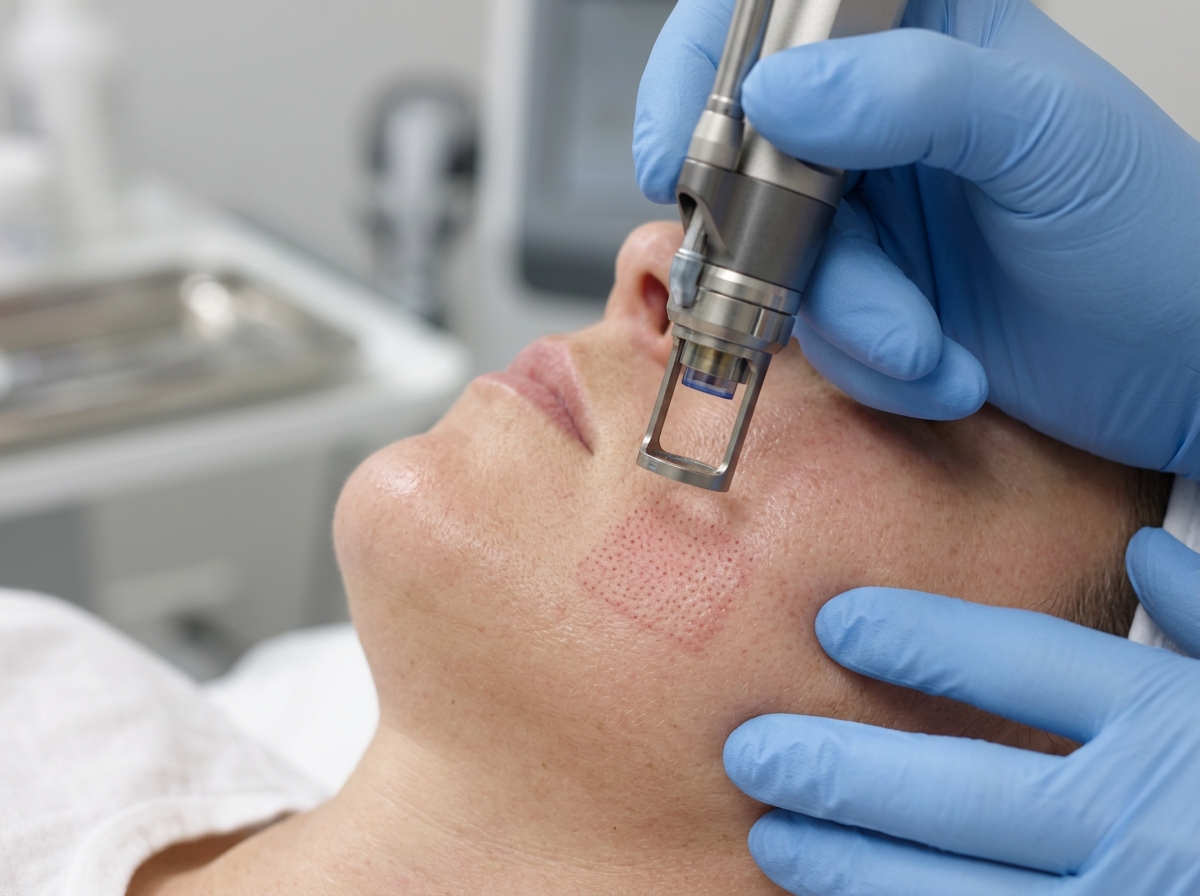
What Skin Concerns Can Fractional CO₂ Laser Treat?
Fractional CO₂ laser treatment may be considered for several skin concerns. The expected improvement depends on the type and severity of the condition, the treatment settings, and individual healing characteristics.
Acne scars
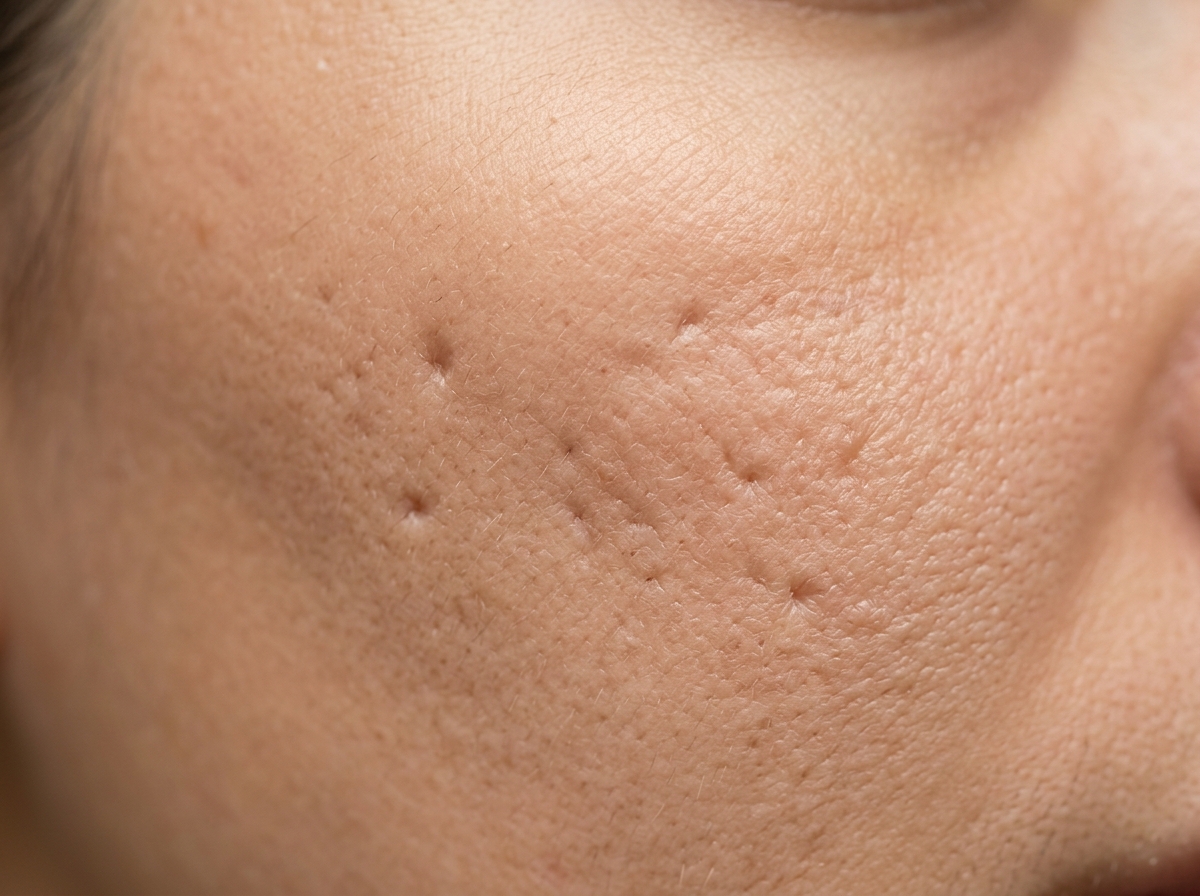
Fractional CO₂ laser treatment is often considered for selected atrophic acne scars, which create depressions or uneven areas in the skin. By stimulating collagen remodeling and resurfacing parts of the skin, treatment may soften the appearance of certain scars and improve overall texture.
Not all acne scars respond in the same way. Deep, narrow scars may require a different or combined approach, while tethered scars may benefit from other procedures. A dermatological assessment helps identify the scar types present and determine which treatments may be most useful.
Explore our information on dermatology services to learn more about personalized skin assessment and treatment options.
Uneven skin texture and enlarged pores
Fractional resurfacing may improve rough skin texture and make some enlarged pores less noticeable. The treatment encourages skin renewal, but it cannot permanently eliminate pores or prevent all future changes in skin texture.
The most appropriate approach depends on whether the concern is related to scarring, sun damage, oil production, or other skin characteristics.
Fine lines and signs of sun damage
Fractional CO₂ laser treatment may help reduce the appearance of certain fine lines and improve skin texture affected by long-term sun exposure. Collagen remodeling occurs gradually, so visible changes develop over time rather than immediately after the procedure.
The treatment does not replace daily sun protection or other measures that help maintain skin health.
Selected surgical and traumatic scars
Some scars caused by surgery or injury may benefit from fractional laser treatment, particularly when texture irregularities are a major concern. The decision depends on the scar's age, thickness, location, and healing pattern.
Laser treatment may be used as part of a broader scar-management plan rather than as a standalone solution. For more information, see our article on surgical scar revision.
How Does Fractional CO₂ Laser Treatment Work?
The treatment uses focused laser energy to create microscopic columns of controlled thermal injury within the skin. These treatment zones trigger a healing response that supports collagen remodeling and the formation of new skin tissue.
The surrounding untreated skin helps support recovery. Over the following weeks and months, the treated areas gradually heal, and changes in skin texture may become more apparent.
The procedure is typically performed by a qualified medical professional using settings selected for the treatment area, skin characteristics, and intended outcome. Depending on the treatment plan, topical anesthetic may be used to improve comfort.
What Happens During the Procedure?
The process begins with an assessment of your skin, medical history, previous treatments, and goals. The clinician will explain the expected benefits, possible risks, recovery requirements, and whether fractional CO₂ laser treatment is suitable for you.
Before the procedure, the skin is cleansed, and an appropriate anesthetic may be applied. The laser is then passed over the selected area using individualized settings. You may feel warmth, stinging, or a prickling sensation during treatment.
The duration depends on the size of the area being treated and the intensity of the procedure. After treatment, the skin is likely to appear red and swollen, with a sensation similar to sunburn. Small pinpoint areas, crusting, or peeling may develop as the skin heals.
Recovery and Aftercare
Recovery is an important part of fractional CO₂ laser treatment. The skin needs time to repair its protective barrier, and following the aftercare instructions helps reduce the risk of complications.
During recovery, you may experience:
- Redness, swelling, and temporary sensitivity.
- Peeling, roughness, or small crusts as the skin heals.
- Temporary changes in skin color, including darker or lighter areas.
- A need to avoid certain skincare products until the skin has recovered.
The duration of recovery varies according to the treatment intensity, the area treated, and individual healing. More intensive treatments generally require more downtime.
Keep the treated area clean and follow the clinician's instructions for moisturizers and wound care. Avoid picking or removing peeling skin, and do not use exfoliating acids, retinoids, or other potentially irritating products until you have been advised that it is safe to do so.
Sun protection is particularly important after treatment. Direct sun exposure can increase the risk of unwanted pigmentation, so use the recommended sunscreen once appropriate for the healing stage and limit exposure during recovery.
Contact your treating clinician if you develop worsening pain, spreading redness, increasing swelling, pus, fever, or other symptoms that may indicate a complication.
Is Fractional CO₂ Laser Treatment Suitable for Every Skin Type?
No. Fractional CO₂ laser treatment is not suitable for everyone, and skin type is an important consideration. People with darker skin tones may have a higher risk of post-inflammatory hyperpigmentation, although risk varies with the individual, treatment settings, and aftercare.
A clinician should also consider active skin infections, a tendency to form keloids, certain inflammatory skin conditions, recent tanning, medication use, and a history of abnormal wound healing. Treatment may need to be postponed or an alternative approach selected.
A consultation helps establish whether the potential benefits outweigh the risks for your particular skin. In some cases, a different laser, a less intensive procedure, or a combination of treatments may offer a more suitable balance of results and recovery time.
How Many Sessions Are Needed?
The number of sessions depends on the concern being treated and the degree of improvement sought. Some patients may benefit from a single treatment, while acne scars and more pronounced textural concerns may require a series of sessions.
When multiple treatments are appropriate, they are generally spaced apart to allow the skin to recover. The clinician will determine the timing based on the treatment intensity and your response.
Results develop gradually as the skin heals and collagen remodels. Improvement can be meaningful, but complete removal of scars, pores, or wrinkles cannot be guaranteed. Some conditions may respond better to a combination of treatments.
Why Choose a Personalized Assessment at DermaCheck?
Successful skin resurfacing starts with choosing the right treatment for the right concern. A procedure that may help one type of acne scar or skin texture issue may not be the best choice for another.
At DermaCheck, the aim is to assess your skin, discuss your concerns, and explain the potential benefits, limitations, and recovery requirements before developing a treatment plan. Our aesthetic services provide further information about options focused on skin appearance and rejuvenation.
For international patients, our packages can combine selected dental treatments with dermatology care. A personalized assessment helps coordinate suitable treatments with your goals and available time.
Book a Consultation for Fractional CO₂ Laser Treatment in Tirana
If you are concerned about acne scars, uneven skin texture, fine lines, or selected scars, fractional CO₂ laser treatment may be worth discussing with a qualified clinician.
Contact DermaCheck in Tirana to arrange an assessment, explore suitable treatment options, and understand what results and recovery you can realistically expect.