


Nd:YAG Laser Treatments
Nd:YAG laser treatment can be used for selected concerns, including unwanted hair, certain visible blood vessels, and specific pigmentation conditions, depending on the laser system. Learn how the treatment works, what recovery involves, and why a personalized assessment is important for choosing an appropriate approach for your skin.
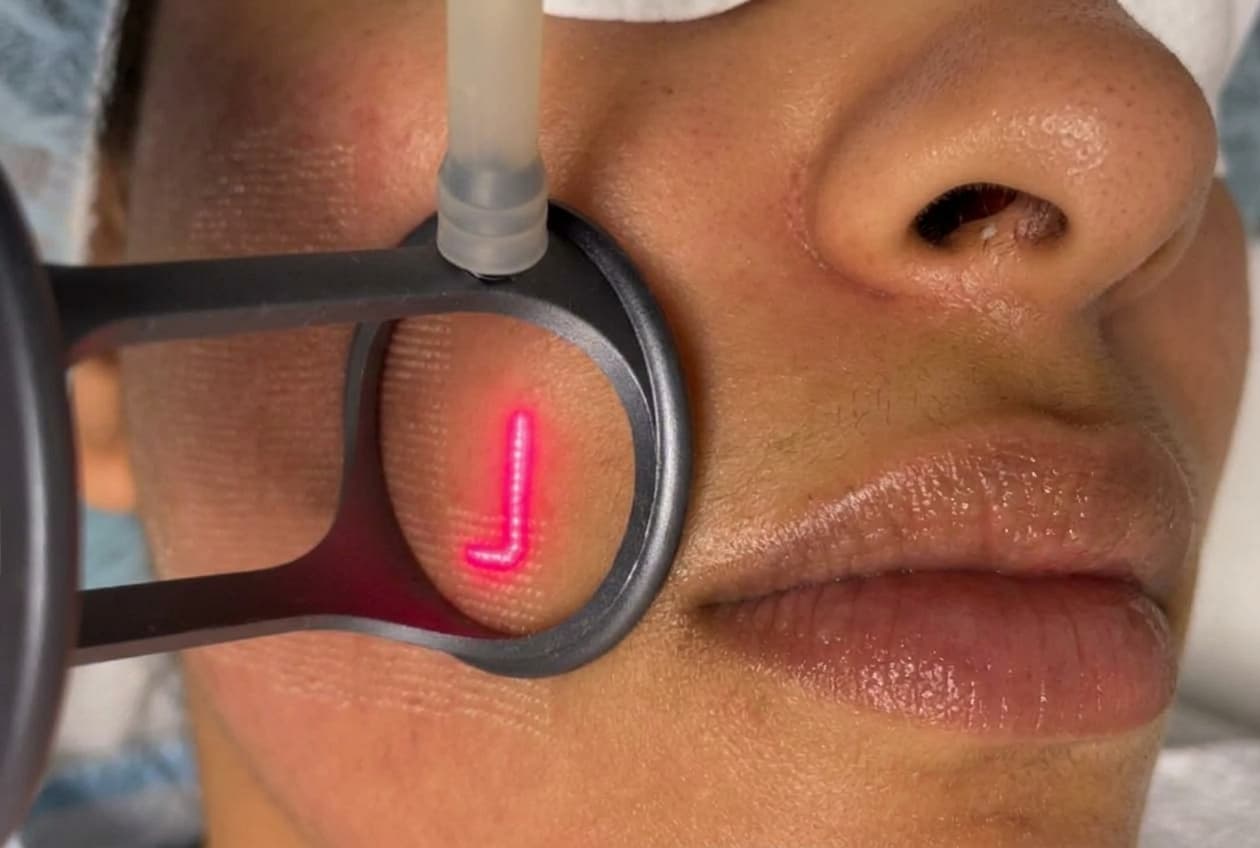
Nd:YAG Laser Treatment in Tirana: Skin Rejuvenation and Targeted Skin Treatments
Nd:YAG laser treatment is a versatile medical and aesthetic procedure used for selected skin and vascular concerns, unwanted hair reduction, and certain pigmentation-related conditions. Depending on the wavelength, device settings, and treatment protocol, Nd:YAG lasers can target specific structures beneath the skin while limiting the effect on surrounding tissue.
At DermaCheck in Tirana, the appropriate approach depends on your skin type, the concern being treated, your medical history, and your expectations. A personalized assessment helps determine whether Nd:YAG laser treatment is suitable for you and which treatment parameters may be appropriate.
What Is Nd:YAG Laser Treatment?
Nd:YAG stands for neodymium-doped yttrium aluminum garnet, a crystal used as the laser medium. In dermatology and aesthetic medicine, Nd:YAG lasers commonly operate at a wavelength of 1064 nm. Some systems also use a 532 nm wavelength for specific indications.
The wavelength determines how the laser interacts with different structures in the skin. Depending on the device and settings, the energy may target hair follicles, blood vessels, or selected pigmented structures. Some Nd:YAG systems are also used for skin rejuvenation treatments.
Not all Nd:YAG lasers work in the same way. Long-pulsed and Q-switched systems, for example, deliver energy differently and are designed for different purposes. The treatment must therefore be selected according to the specific skin concern rather than simply the laser name.
Explore our dermatology services to learn more about the options available for assessing and treating different skin conditions.
What Can Nd:YAG Laser Treatment Help With?
The potential applications of Nd:YAG laser treatment depend on the equipment available and the clinical indication. It is not a single treatment for every skin concern.
1. Unwanted hair reduction
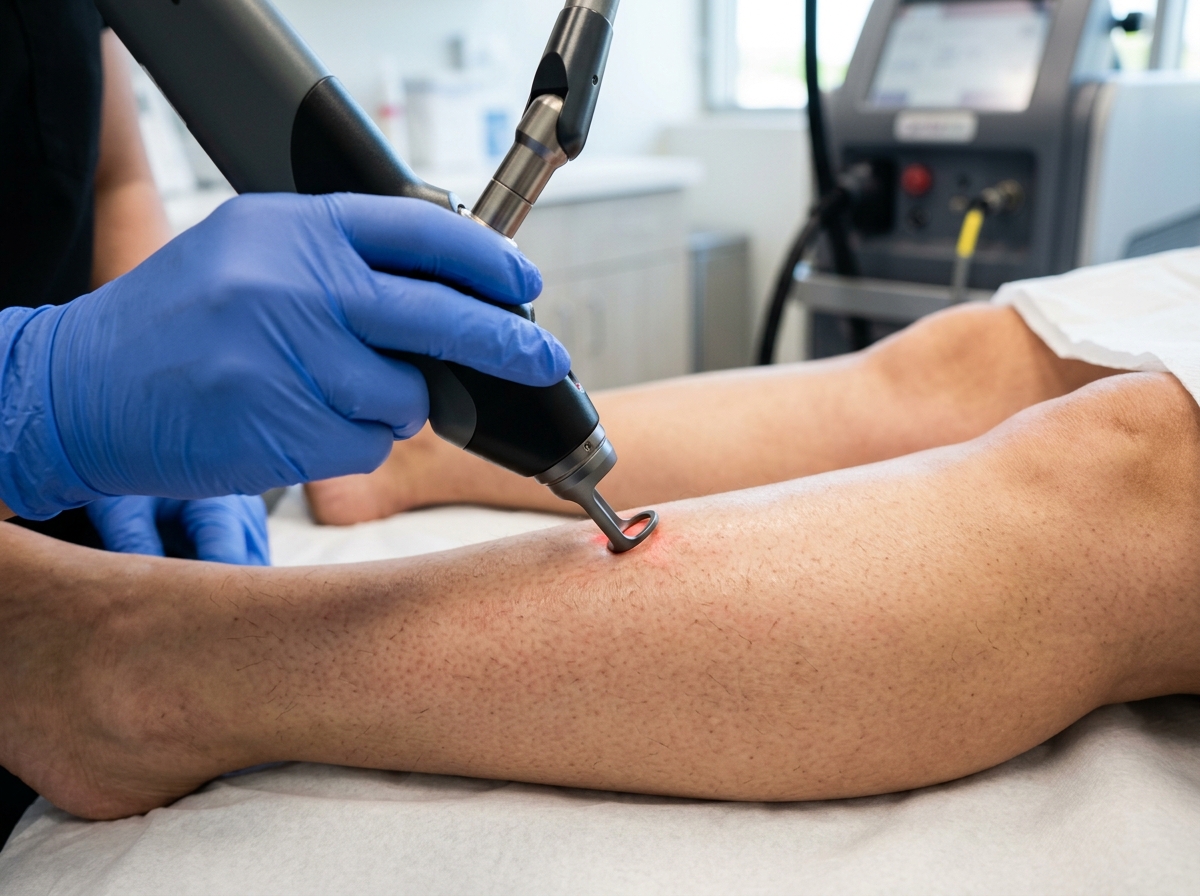
Long-pulsed 1064 nm Nd:YAG lasers are commonly used for long-term hair reduction. The laser energy is absorbed by pigment in the hair follicle and converted into heat, which can damage structures involved in hair growth.
Because hair grows in different cycles, multiple sessions are usually needed. The number and spacing of sessions depend on the treatment area, hair color and thickness, skin tone, hormonal factors, and individual response.
The 1064 nm wavelength can be useful for darker skin tones because it generally penetrates more deeply and is less strongly absorbed by epidermal melanin than some shorter laser wavelengths. However, appropriate settings and professional assessment remain essential to reduce the risk of burns and pigmentation changes.
Laser hair reduction does not guarantee permanent removal of every hair. Maintenance sessions may be needed, and results vary between individuals.
2. Selected vascular concerns
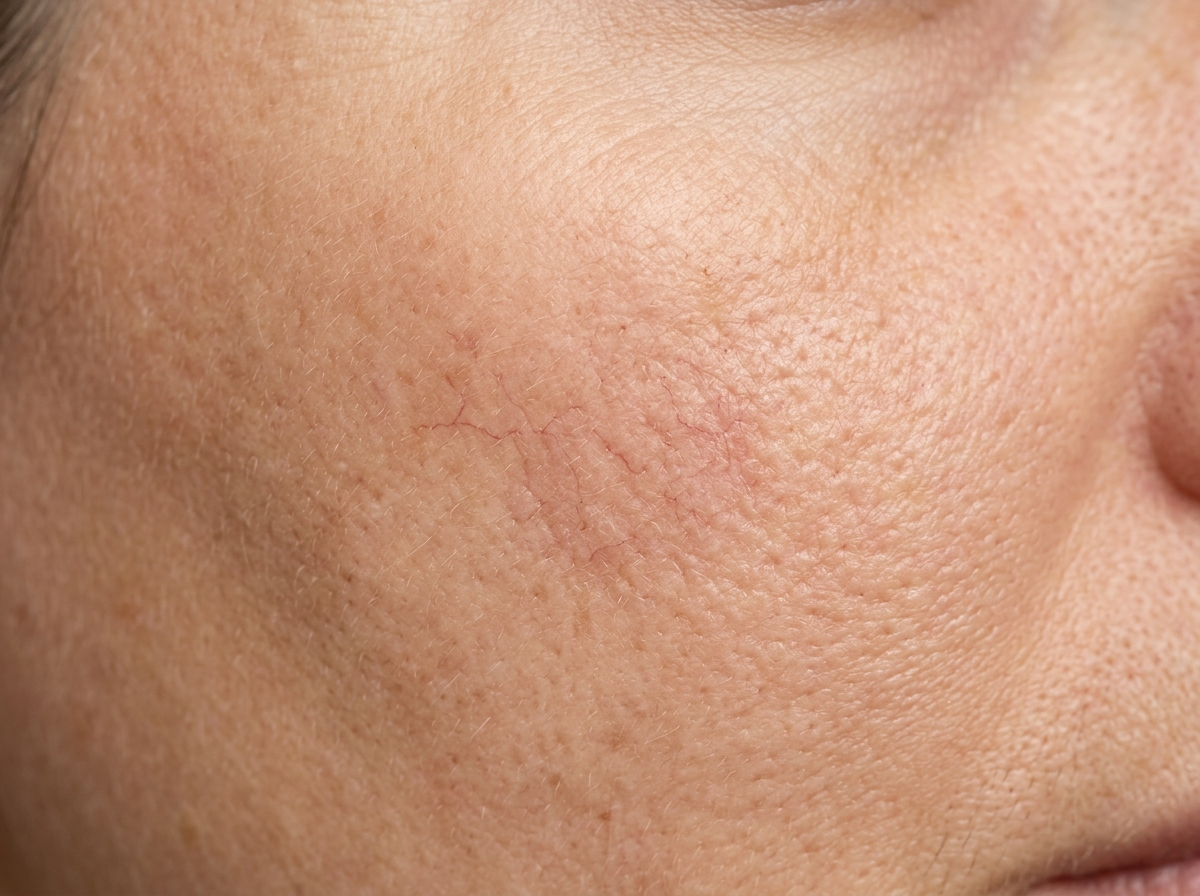
Certain long-pulsed Nd:YAG lasers can be used to treat selected visible blood vessels, including some deeper or larger vascular lesions. The laser energy is absorbed by hemoglobin in the blood, generating heat that can help close the targeted vessel.
Suitability depends on the type, size, depth, and location of the vessel. Not every red mark, visible vein, or vascular lesion responds well to Nd:YAG treatment, and some conditions require a different laser or medical approach.
A clinical assessment is important before treating vascular lesions, particularly if a spot is new, changing, bleeding, or has not previously been evaluated.
3. Selected pigmentation concerns
Some Nd:YAG systems, including Q-switched or picosecond devices that use specific wavelengths, can target certain types of pigment. Depending on the device and diagnosis, these treatments may be considered for selected benign pigmented lesions or professional tattoo removal.
However, pigmentation disorders have different causes, and not all dark spots are suitable for laser treatment. Melasma, for example, can be difficult to manage and may worsen after certain procedures. Pigmented lesions should be assessed before treatment to rule out conditions that require a different form of care.
The choice of wavelength, pulse duration, and energy level must be tailored to the target pigment and the patient's skin characteristics.
4. Skin rejuvenation
Some Nd:YAG laser protocols are used to improve the appearance of the skin, including selected concerns related to texture, tone, and early signs of aging. The proposed mechanism and expected results depend on the specific device and treatment method.
Skin rejuvenation with Nd:YAG is not equivalent to ablative resurfacing with a fractional CO₂ laser. The procedures interact with the skin differently and are suited to different concerns. A consultation helps establish which approach is more appropriate for your goals.
Learn more about our aesthetic services and the available options for improving skin appearance.
How Does Nd:YAG Laser Treatment Work?
Nd:YAG laser treatment works through the selective delivery of light energy to a target within the skin. Depending on the wavelength and pulse duration, the target may be pigment, hemoglobin in blood vessels, or structures within the hair follicle.
When the target absorbs the energy, it converts it into heat or another controlled physical effect. The intended response depends on the treatment type. For hair reduction, the aim is to damage structures responsible for hair growth. For vascular treatments, the goal may be to close selected blood vessels. For pigment-targeting systems, the energy is used to fragment or alter targeted pigment.
The surrounding skin can also be affected if the energy is too high or the settings are inappropriate. This is why correct diagnosis, device selection, and individualized parameters are essential.
What Happens During the Procedure?
The treatment begins with an assessment of your skin, medical history, medications, previous procedures, and the concern you wish to address. The clinician determines whether Nd:YAG laser treatment is appropriate and explains the expected benefits, limitations, and possible side effects.
The treatment area is cleaned, and protective eyewear is provided for the patient and the treatment professional. Depending on the indication and device, a cooling method or topical anesthetic may be used.
The laser handpiece is then applied to the selected area. You may feel warmth, brief snapping sensations, or mild discomfort. The sensation and duration vary according to the treatment area, laser settings, and individual sensitivity.
After treatment, temporary redness, swelling, or tenderness may occur. Some procedures may also produce small crusts or temporary pigment changes. The expected reaction depends on the type of Nd:YAG treatment performed.
Recovery and Aftercare
Recovery varies depending on the laser system, the condition treated, and the intensity of the procedure. Some treatments require little downtime, while others may cause visible redness, swelling, or temporary changes in the skin.
To support recovery:
- Follow the aftercare instructions provided by your clinician.
- Protect the treated area from direct sunlight and use appropriate broad-spectrum sunscreen once suitable for the skin's condition.
- Avoid exfoliating acids, retinoids, and other potentially irritating products until the skin has recovered and your clinician advises that they can be resumed.
- Do not pick at crusts or rub irritated skin.
- Contact your clinician if you develop increasing pain, blistering, spreading redness, signs of infection, or an unexpected skin reaction.
If you are undergoing laser hair reduction, follow the specific instructions about shaving and avoiding waxing or plucking between sessions. If treating pigmentation or vascular lesions, the aftercare requirements may be different.
Is Nd:YAG Laser Treatment Suitable for Every Skin Type?
Nd:YAG lasers can be useful for a range of skin tones, and the 1064 nm wavelength is often considered for certain treatments in darker skin. However, no laser is automatically safe for every person or every skin concern.
Suitability depends on the diagnosis, the exact device, wavelength, pulse duration, energy settings, recent sun exposure, medications, and history of abnormal scarring or pigmentation. Some conditions, including active skin infections and certain inflammatory disorders, may require treatment to be postponed.
For darker skin tones, carefully selected settings and appropriate experience are especially important to reduce the risk of burns and post-inflammatory pigmentation. A test spot may be appropriate in selected cases.
New or changing pigmented lesions should be medically assessed before cosmetic laser treatment. Laser procedures should not be used to treat a suspicious lesion without an appropriate diagnosis.
How Many Sessions Are Needed?
The number of sessions depends on the treatment goal.
For laser hair reduction, several sessions are usually required because the laser works best on hair follicles during particular stages of the growth cycle. Maintenance treatments may be necessary.
For vascular or pigmentation concerns, the number of sessions varies according to the lesion, its depth, the device used, and the skin's response. Some concerns may improve after one session, while others need multiple treatments or a different approach.
Skin rejuvenation protocols also vary. The expected improvement, interval between sessions, and need for maintenance should be discussed before starting treatment.
Results cannot be guaranteed, and complete removal of hair, pigmentation, or visible blood vessels may not be possible in every case.
Why Choose a Personalized Assessment at DermaCheck?
Nd:YAG is a versatile laser technology, but the best results depend on matching the correct system and treatment settings to the specific concern. Hair reduction, vascular treatment, pigment targeting, and skin rejuvenation require different approaches.
At DermaCheck, a personalized assessment helps clarify the nature of your skin concern, determine whether laser treatment is appropriate, and explain the expected results, possible risks, and recovery requirements.
You can also explore our dermatology services and aesthetic services to learn more about available treatment options.
For international patients, our packages can combine selected dental treatments with dermatology care. A personalized assessment helps coordinate suitable treatments according to your goals and schedule.
Book a Consultation for Nd:YAG Laser Treatment in Tirana
If you are considering laser hair reduction, treatment for selected vascular or pigmentation concerns, or a skin rejuvenation procedure, an assessment can help establish which approach is appropriate for your skin.
Contact DermaCheck in Tirana to arrange a consultation and discuss your treatment options with a qualified professional.