


Hypertrophic Scar Treatment
Soften and reduce raised hypertrophic scars with a personalised assessment and modern treatments at DermaCheck in Tirana. Injections, lasers and combination approaches for clearer texture and fewer symptoms.
Hypertrophic scars are raised scars that remain within the boundaries of the original wound and often appear after acne, surgery, trauma or burns. At DermaCheck in Tirana we regularly see patients - including international visitors - who want a clear plan to soften these scars and reduce associated itching or sensitivity. With an accurate assessment and tailored treatments, many of these scars can be flattened, lightened and made less noticeable.
Unlike keloids, hypertrophic scars do not extend beyond the original injury site and tend to stabilise or gradually soften over time. When they remain raised, red or symptomatic, however, directed treatment can bring meaningful improvement.
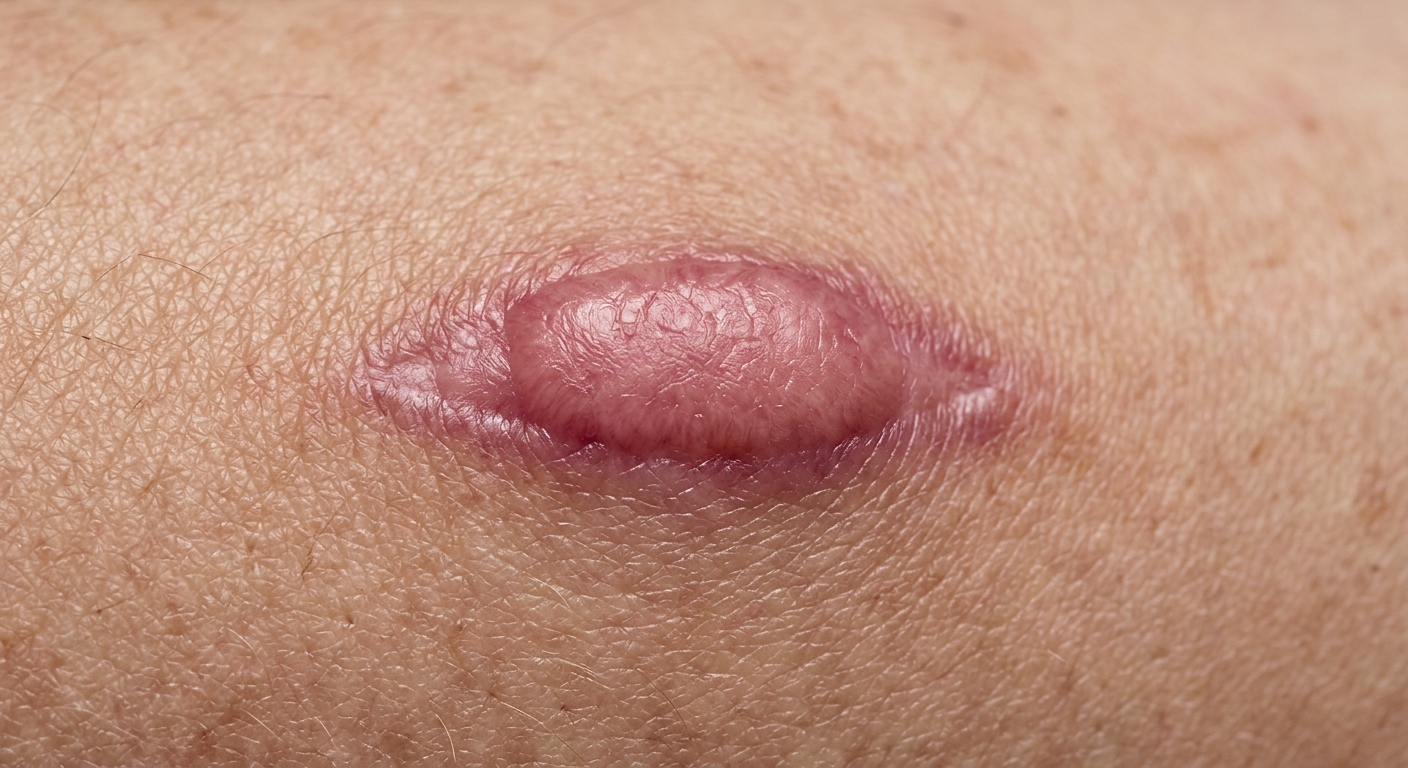
How Hypertrophic Scars Differ
Correct identification is the first step, because the approach for hypertrophic scars differs from that used for keloids. Hypertrophic scars typically:
- Stay within the borders of the original wound.
- Appear within the first weeks or months after injury.
- Are pink to red, firm and moderately raised.
- May cause itching or sensitivity, but rarely severe pain.
- Tend to soften gradually over time, although not always completely.
At DermaCheck every consultation begins with a careful review of the scar’s history, skin type and current symptoms. This helps us determine whether the scar is hypertrophic, keloid or mixed, and plan treatment safely.
Treatment Options
No single method works for every scar, yet several approaches have solid clinical support and are commonly used in practice:
- Silicone gel or sheets: often used as a first step for mild or early scars, helping reduce height, redness and itching when applied consistently.
- Intralesional corticosteroid injections (usually triamcinolone): soften and flatten the scar by reducing inflammation and excess collagen production. Combinations with 5-fluorouracil can improve results in selected cases.
- Laser treatments (such as pulsed dye laser or fractional lasers): reduce redness, improve texture and can help soften the scar. They are frequently combined with other methods.
- Controlled cryotherapy: can assist in reducing the volume of smaller scars.
- Personalised combinations: many patients benefit from a plan that joins two or more modalities, as studies show multimodal approaches often produce more consistent results than monotherapy.
The choice depends on the scar’s size, location, age and symptoms. In most cases the goal is to reduce height, improve colour and ease discomfort rather than eliminate the scar entirely.
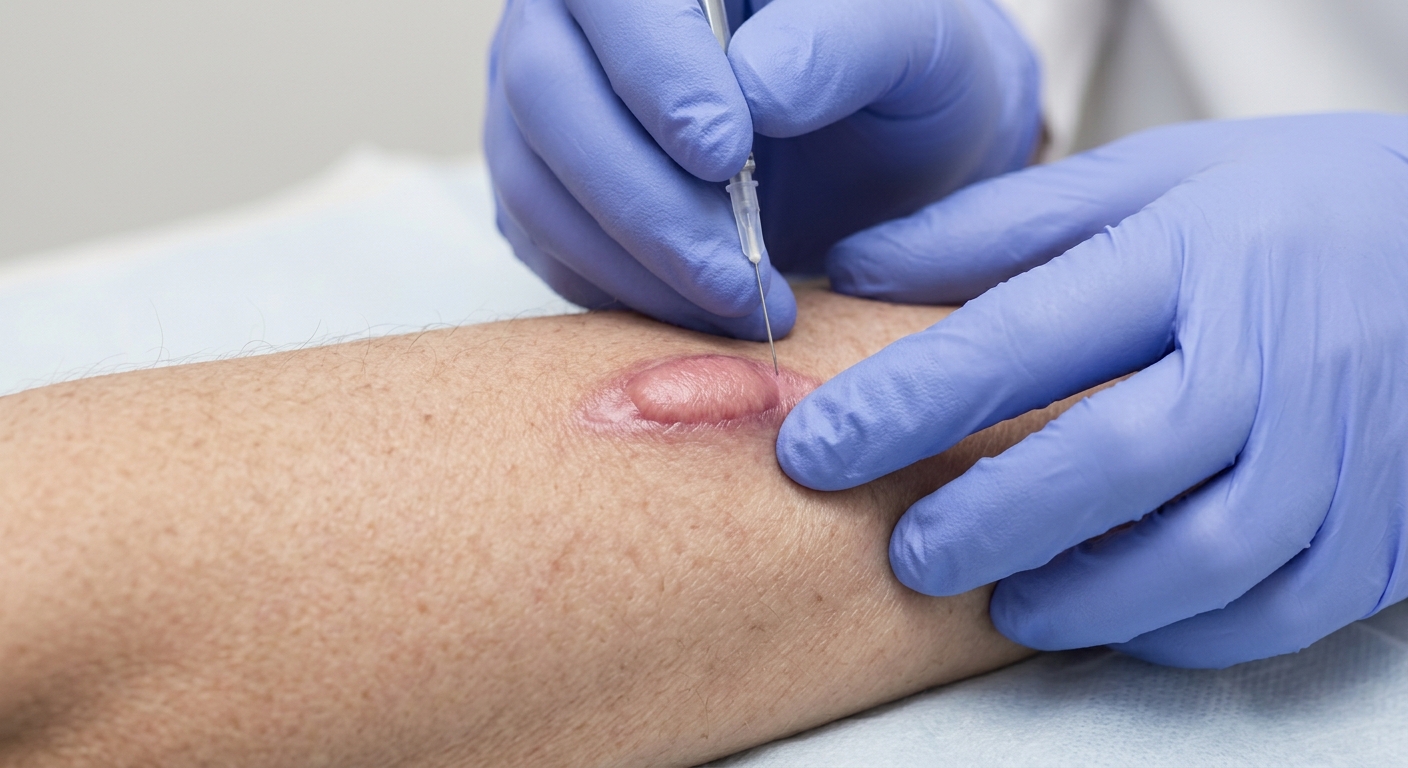
How We Approach Hypertrophic Scar Treatment at DermaCheck
DermaCheck integrates dermatology and medical aesthetics so that raised scars and overall skin quality can be addressed together. You can learn more about our clinic on the About Us page and explore the full range of our services.
For core skin concerns visit the dermatology section; for procedural options such as lasers and scar-revision techniques see aesthetics. International patients often find our packages practical, as they combine dermatology treatments with dental care under one coordinated plan. Each package starts with a personalised assessment so the timeline matches your goals.
The initial consultation clarifies what is realistically achievable, how many sessions are typically needed and what recovery looks like. Many patients notice progressive improvement after a course of treatment, with continued softening over the following months. Aftercare and sun protection form an important part of the process.
Realistic Expectations and Next Steps
The strongest results come when patient and clinician share a clear understanding of what is possible. Hypertrophic scars can be substantially softened and made less visible, but they rarely disappear completely. Combination treatments, regular follow-up and careful aftercare support more durable improvement.
If a raised scar is bothering you and you would like a clear assessment while in Tirana - whether you live here, are visiting or are planning care - the first step is a consultation. At DermaCheck we can outline the options that fit your scar type and schedule. Reach us through the contact page to book an appointment or ask questions. With the right plan, many people achieve an improvement that eases both appearance and daily discomfort.