


Surgical Scar Revision
Surgical scars can sometimes heal with uneven texture, raised tissue, widening, or tightness. Learn how surgical scar revision, laser treatments, corticosteroid injections, and silicone therapy may help improve the appearance or comfort of selected scars. A personalized assessment helps determine the most appropriate approach.
Surgical Scar Revision in Tirana: Improving the Appearance of Surgical Scars
Surgical scars are a natural part of the healing process, but sometimes they heal in a way that affects the skin's appearance, comfort, or movement. A scar may become raised, widened, uneven, depressed, or attached to the deeper tissues. Although many scars improve over time, some remain noticeable or cause ongoing discomfort.
Surgical scar revision refers to procedures designed to improve the appearance or function of an existing scar. Depending on the scar's characteristics, treatment may involve a minor surgical procedure, laser therapy, injections, or a combination of approaches. At DermaCheck in Tirana, an individualized assessment can help determine which options may be appropriate for your skin and goals.
What Is Surgical Scar Revision?
Surgical scar revision is a procedure that modifies an existing scar to make it less noticeable or improve problems associated with healing. It does not completely erase the scar. Instead, the aim is to create a finer, less prominent scar that blends more naturally with the surrounding skin or to address tightness and restricted movement.
Revision may be considered for scars following abdominal surgery, caesarean sections, cosmetic procedures, injury repair, or other operations. The appropriate approach depends on the scar's location, size, direction, thickness, and relationship to the surrounding tissue.
In many cases, a scar needs time to mature before revision is considered. Scars can continue changing for 12 to 18 months after surgery, gradually becoming softer and less noticeable. Earlier intervention may be necessary in selected cases, especially when a scar causes functional problems, but timing should be decided by a qualified clinician.
When Can Scar Revision Help?
Not every surgical scar requires treatment. However, revision may be worth considering when a scar remains raised, wide, uneven, or uncomfortable after healing.
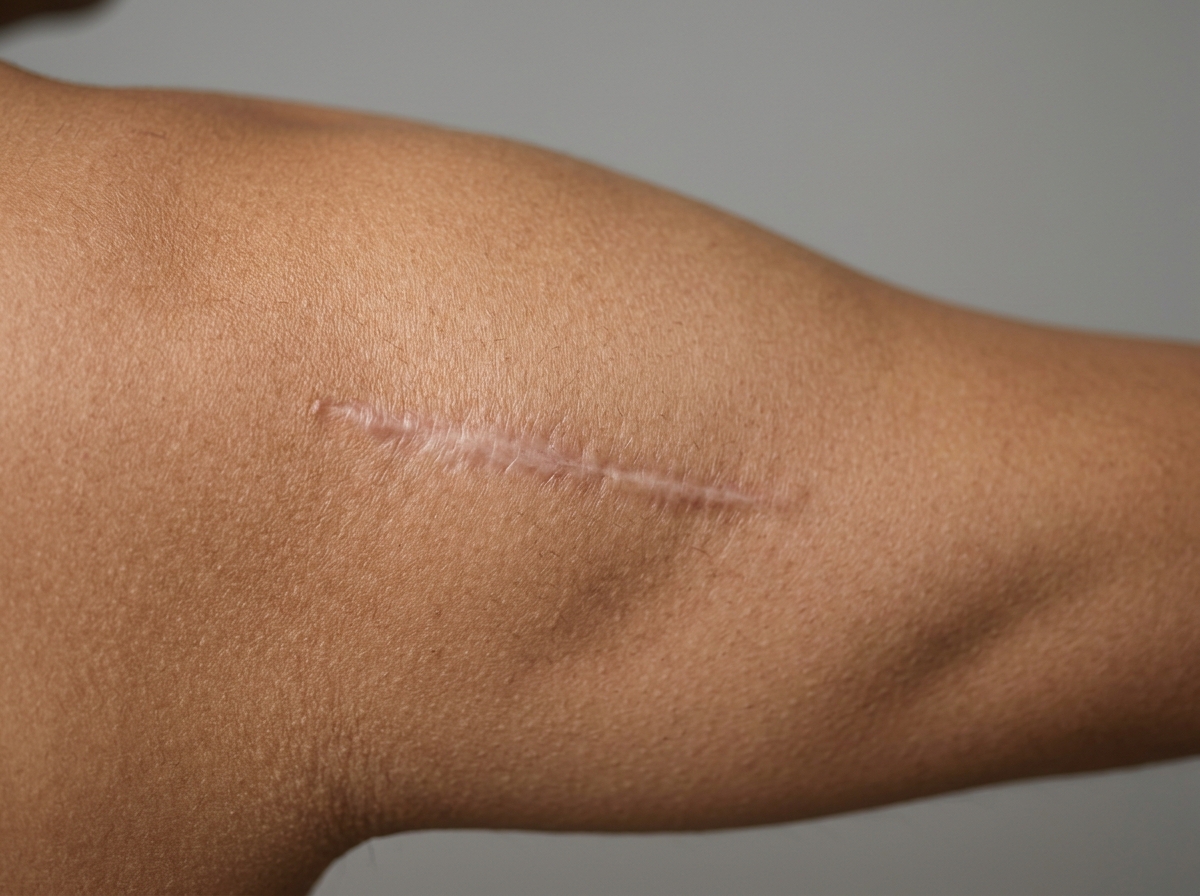
A widened scar may develop when tension pulls on the wound during healing. Raised scars can result from excessive scar tissue formation, while depressed or irregular scars may be associated with tissue loss or uneven healing. Some scars also become attached to deeper tissues, causing tightness or restricting movement.
A clinical assessment helps distinguish between these problems because different scar types respond to different treatments. For example, a raised scar may benefit from injections or laser treatment, while a wide scar may be considered for surgical revision. If the scar is thick and extends beyond the original wound, it may be a keloid, which requires special consideration because surgery alone can lead to recurrence.
What Treatments Are Available for Surgical Scars?
The most suitable treatment depends on the scar's appearance, symptoms, and stage of healing. Surgical revision is only one option, and less invasive treatments may be sufficient in some cases.
Surgical Scar Revision
During surgical revision, a clinician removes or reshapes the existing scar and carefully closes the wound to encourage improved healing. Depending on the location and tension of the skin, the technique may involve changing the direction of the scar or redistributing tension across the area.
Revision can improve a widened or irregular scar, but a new scar will still form. The final result depends on factors such as skin type, wound tension, healing tendencies, and aftercare. A thorough consultation is essential to discuss realistic expectations and potential complications.
Laser Treatments
Certain laser procedures can improve scar redness, texture, or unevenness. Fractional lasers may stimulate collagen remodeling and help improve selected depressed or irregular scars, while vascular lasers may be used to target persistent redness.
Laser treatment does not suit every scar and may require several sessions. The choice of laser should account for skin tone, scar characteristics, and the risk of pigmentation changes.
Corticosteroid Injections and Silicone Therapy
Raised or thickened scars may respond to corticosteroid injections, which can help soften and flatten scar tissue. Silicone gels and sheets may also be recommended as part of scar management, particularly during the healing and maturation process.
These treatments do not replace surgery in every case, but they may reduce the need for a more invasive procedure or complement surgical revision when appropriate.
At DermaCheck, our dermatology services and aesthetic treatments provide options to discuss during an individual assessment. The recommended plan depends on the type of scar and whether the main concern is its texture, color, shape, or effect on movement.
Recovery and Aftercare
Recovery varies depending on the procedure. After surgical revision, the treated area may need protection, wound care, and follow-up appointments. Some procedures require temporary restrictions on strenuous activity to avoid putting tension on the healing skin.
Following the clinician's instructions is important for reducing complications and supporting a good outcome. Protecting the scar from sunlight can also help minimize persistent discoloration. Silicone products or other scar-care measures may be recommended once the wound has healed sufficiently.
Results develop gradually rather than immediately. Even when a scar looks improved soon after treatment, it can take months for the tissue to soften and mature.
What Results Can You Expect?
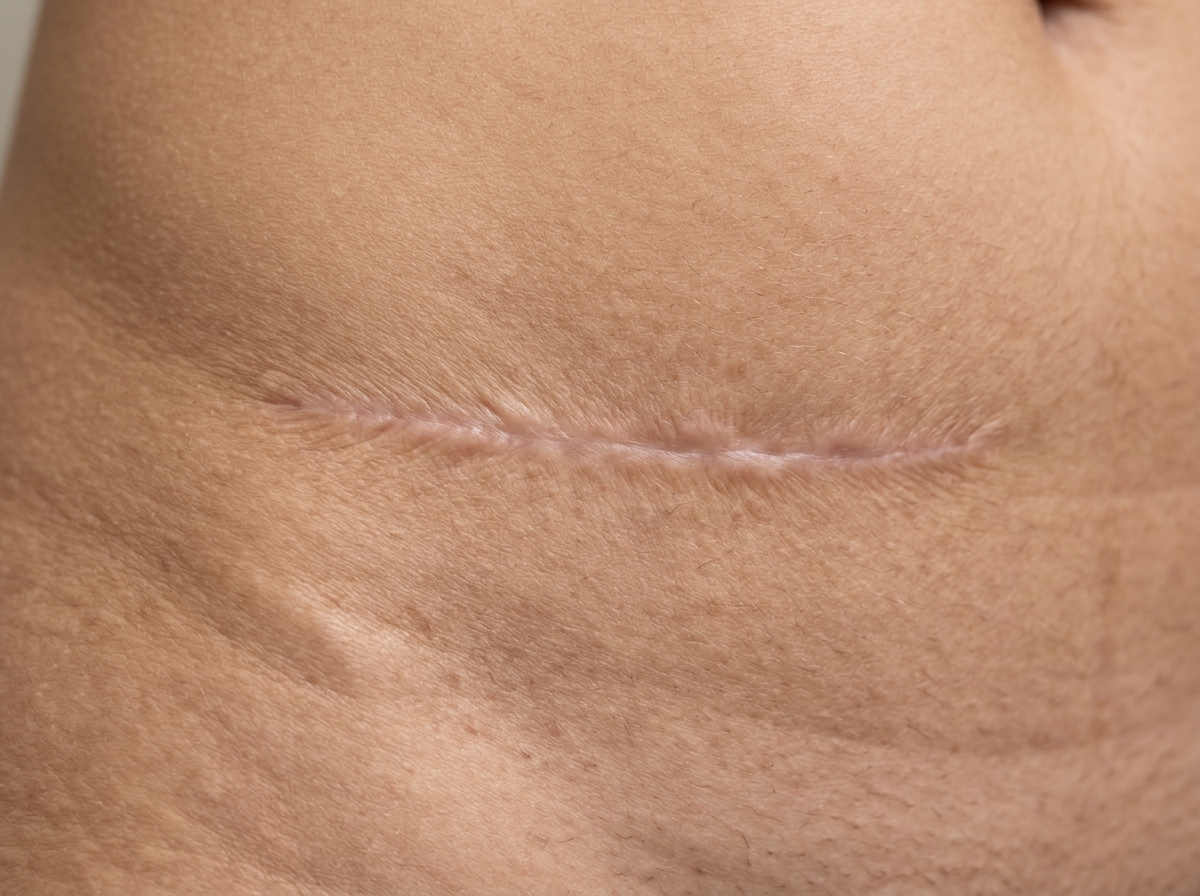
Scar revision aims to make a scar less noticeable, improve its contour, reduce tightness, or address other specific concerns. The degree of improvement varies, and complete removal is not possible because any surgical incision or injury creates a healing response.
The best results are usually achieved when the treatment matches the scar's specific characteristics and the patient follows the recommended aftercare plan. Your clinician can explain the likely benefits, limitations, risks, and expected recovery time before treatment begins.
Is Surgical Scar Revision Right for You?
If a surgical scar remains prominent, causes discomfort, restricts movement, or affects your confidence, a professional assessment can help clarify your options. It is also important to have a new, changing, painful, or inflamed scar examined before considering cosmetic treatment.
At DermaCheck in Tirana, we focus on personalized care and realistic outcomes. You can learn more about our clinic, explore our full range of services, and discuss your concerns with our team.
For patients interested in addressing more than one concern during their visit, we also offer thoughtfully designed packages combining dental treatments and dermatology services. Each package begins with a personalized assessment to help coordinate suitable treatments around your goals and schedule, whether you live locally or are visiting Tirana.
If you would like to understand which approach may be appropriate for your scar, visit our contact page to arrange a consultation. A conversation with our team is a practical first step toward a treatment plan tailored to your needs.