


Keloid Scar Treatment
Keloid scars can grow beyond the original wound and cause itching, discomfort, or changes in appearance. Discover how corticosteroid injections, silicone products, cryotherapy, and other treatments may help manage keloids, why recurrence is possible, and how a personalized dermatological assessment can guide treatment.
Keloid Scar Treatment in Tirana: Understanding Your Treatment Options
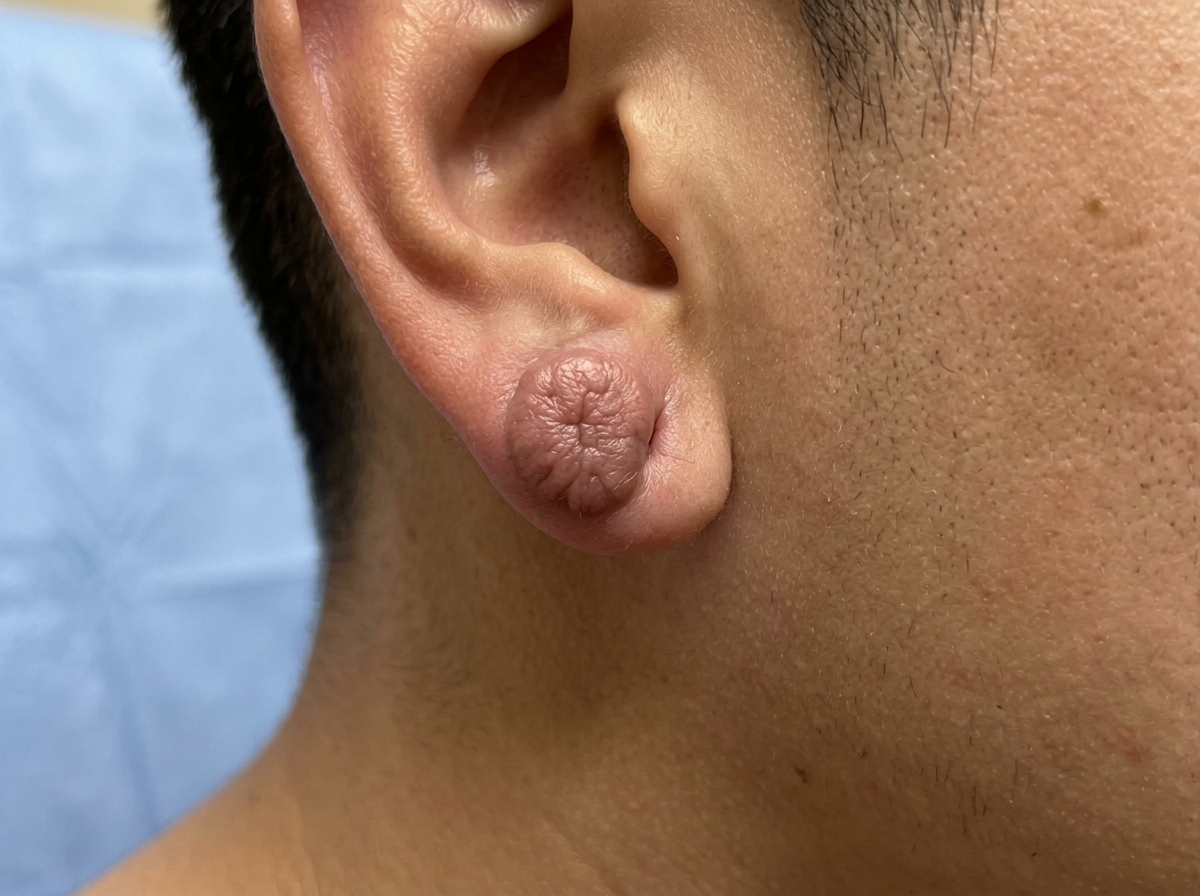
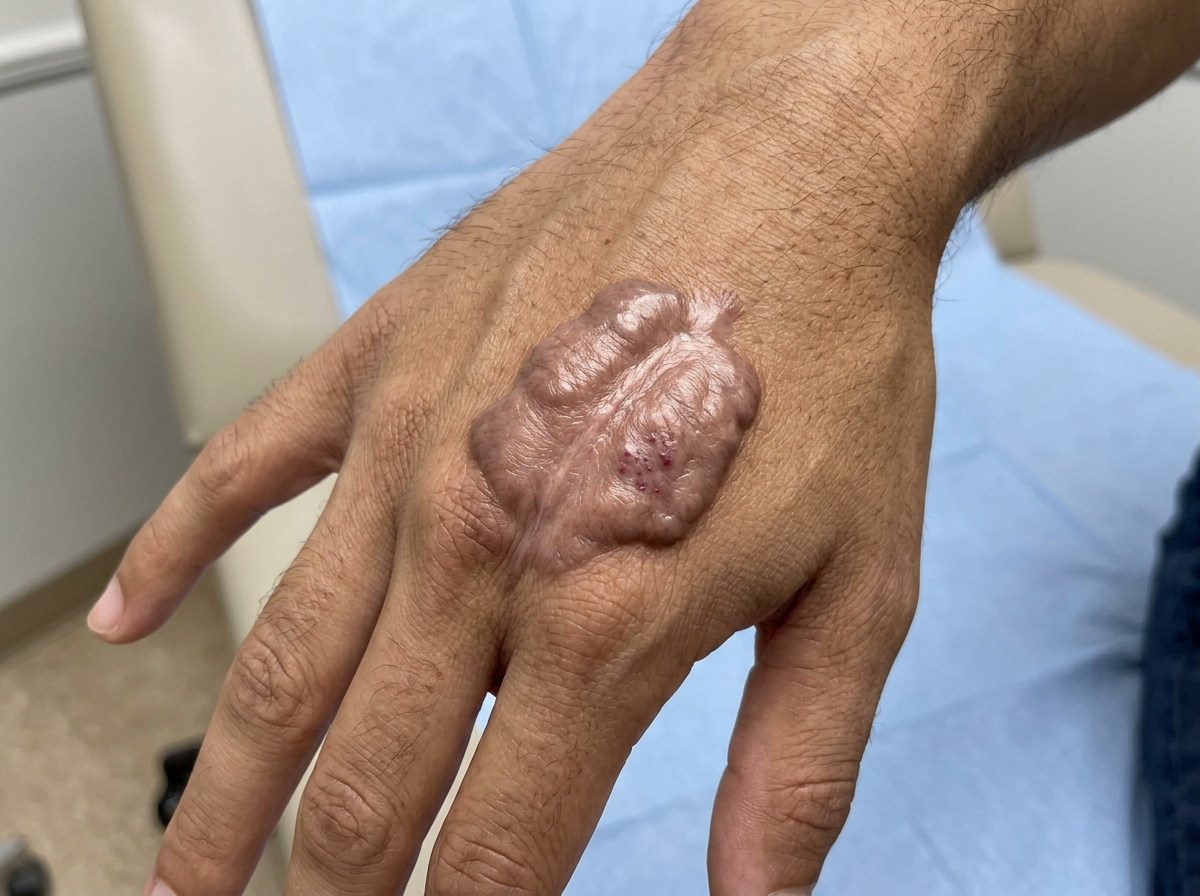
Keloid scars are raised, thickened areas of scar tissue that develop when the body produces excess collagen during wound healing. Unlike ordinary scars, keloids can grow beyond the boundaries of the original injury and may continue to enlarge over time. They can develop after acne, piercings, surgery, burns, or even minor skin injuries.
Although keloids are benign, they may cause itching, tenderness, discomfort, and concern about appearance. Because they behave differently from ordinary scars, they often require a specific treatment approach. At DermaCheck in Tirana, a dermatological assessment can help determine the nature of the scar and identify suitable options for managing it.
What Are Keloid Scars?
A keloid forms when the skin's natural healing process produces more scar tissue than necessary. Instead of remaining within the boundaries of the original wound, the tissue extends into the surrounding skin, creating a firm, raised scar. Keloids may appear pink, red, brown, or darker than the surrounding skin, depending on the individual's skin tone and the age of the scar.
They commonly develop on the chest, shoulders, upper back, jawline, and earlobes. Some people are more predisposed to keloid formation, and these scars can run in families. Unlike hypertrophic scars, which usually remain within the original wound and may gradually flatten, keloids can extend beyond the initial injury and are more likely to recur after treatment.
How Are Keloid Scars Treated?
Keloids can be challenging to treat because reducing an existing scar does not necessarily prevent it from returning. The best approach depends on the scar's size, location, age, symptoms, and history of previous treatments. A dermatologist can assess these factors and recommend an individualized plan.
Corticosteroid Injections
Intralesional corticosteroid injections are commonly used to help flatten keloids, soften the scar tissue, and reduce itching or tenderness. Treatment usually involves several sessions, with intervals determined by the clinician. Some scars respond well, while larger or longstanding keloids may require additional procedures.
Possible side effects include temporary skin thinning or changes in pigmentation around the injection site. For this reason, treatment should be performed by a qualified medical professional.
Silicone Gels and Silicone Sheets
Silicone-based products may help soften and flatten some raised scars and can be useful as part of a broader treatment plan. They are generally more effective for scar management when used consistently over time, although their results for established keloids can be limited.
Silicone products may also be recommended after certain procedures to support ongoing scar care. A dermatologist can advise whether they are appropriate for your particular scar.
Cryotherapy and Laser Treatments
Cryotherapy uses controlled cold to damage scar tissue and may be considered for selected keloids, particularly smaller ones. It can sometimes be combined with corticosteroid injections. Changes in skin pigmentation are an important consideration, especially for darker skin tones.
Certain laser treatments may help reduce redness, improve the appearance of the scar, or complement other therapies. However, lasers do not reliably eliminate keloids on their own, and treatment must be selected carefully to avoid unnecessary skin irritation.
Surgical Removal and Combination Therapy
Surgical removal may be considered for some larger or persistent keloids. However, surgery alone carries a significant risk of recurrence, sometimes with a scar that grows back larger than before. For this reason, it is often combined with additional treatment designed to reduce recurrence risk.
The most suitable approach depends on the individual case. At DermaCheck, our dermatology services and aesthetic treatments provide a starting point for discussing scar concerns and determining which options may be appropriate following an assessment.
Can Keloid Scars Be Prevented?
Not every keloid can be prevented, particularly in people who are genetically predisposed to developing them. However, if you have a history of keloids, it is worth informing your doctor before undergoing elective skin procedures, piercings, or cosmetic treatments that may injure the skin.
Avoiding unnecessary skin trauma, not picking at acne, and treating skin inflammation appropriately may help reduce avoidable injuries. If a raised scar begins to grow beyond the original wound, or becomes increasingly itchy or painful, seeking medical advice early can help you understand your options.
What Results Can You Expect?
Keloid treatment usually focuses on reducing the scar's height, firmness, discomfort, and visibility rather than guaranteeing complete removal. Improvement may take several months, and more than one treatment method may be necessary. Even after a good response, recurrence remains possible.
The outcome depends on the scar's characteristics, your skin's healing response, and the treatment used. Follow-up appointments are important because your dermatologist can monitor progress and adjust the plan when needed.
It is also important to distinguish keloids from other raised skin lesions. A new, rapidly changing, bleeding, or unexplained growth should be examined rather than assumed to be a keloid.
When Should You See a Dermatologist?
Consider a consultation if a scar continues to grow, extends beyond the original injury, causes persistent itching or pain, or affects your confidence. Professional assessment is particularly important before attempting to remove a keloid, as some interventions can trigger further scar formation.
At DermaCheck, we take an individualized approach to skin concerns, focusing on an accurate assessment and realistic treatment goals. You can learn more about our clinic and explore our full range of services to understand how we approach dermatological care.
If you have a raised scar that you are unsure how to manage, our team can help you take the next step. Visit our contact page to arrange a consultation and discuss suitable options for your skin.